When Systems Make Us Rush: The Politics Of Pressure
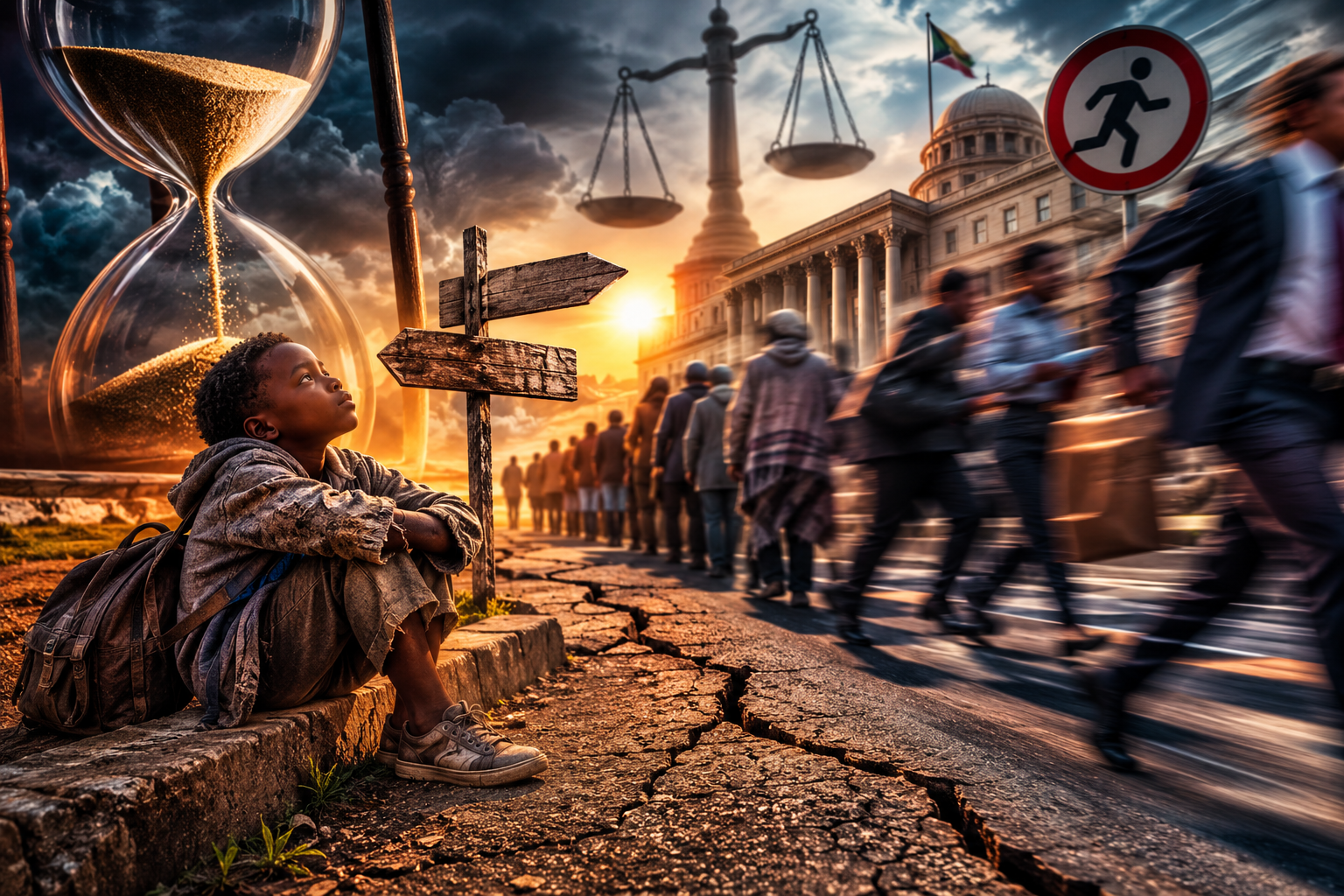
by Tiragalo Gwebu
When Pressure Becomes Policy
What happens when people are forced to make important decisions before they have enough time, information, or resources to make them well? In politics and governance, pressure is rarely experienced equally, because those with fewer resources often have fewer opportunities to pause, question, or refuse. A community facing scarcity may accept an inadequate solution because the alternative is no solution at all. A public institution facing political pressure may prioritize visible action over thoughtful action because appearing inactive carries its own risks. But when does urgency become a justification for decisions that would otherwise be unacceptable? And who gets to decide when a situation is truly urgent?
The Cost Of Moving Before We Are Ready
Speed is often celebrated as evidence of competence, particularly in governments and institutions expected to respond quickly to public problems. Yet what if moving quickly creates consequences that take years to repair? A rushed policy can produce unintended effects, a hurried administrative decision can exclude people, and an institution chasing targets can lose sight of the people those targets were designed to serve. The question is therefore not simply whether institutions can act quickly, but whether they can distinguish between necessary speed and unnecessary haste. What mechanisms allow leaders to pause without being accused of incompetence? What happens when political incentives reward immediate visibility rather than long-term responsibility? Perhaps the deeper problem is that many systems measure movement more easily than they measure direction.
When Scarcity Changes What We Accept
Scarcity creates another political dilemma because people rarely negotiate from positions of equal power when essential resources are limited. When there is not enough housing, employment, healthcare, education, or public infrastructure, compromises can begin to look like solutions simply because something is better than nothing. But how much compromise can a society absorb before compromise itself becomes institutionalized? Who bears the greatest cost when governments choose between competing needs, and whose suffering becomes politically invisible? Could policies designed to manage scarcity unintentionally teach communities to expect less from institutions? And when citizens become accustomed to receiving inadequate solutions, does the system eventually stop asking what adequate solutions should look like?
The People We Leave Behind
Perhaps the most uncomfortable question is what happens to those who cannot keep pace with the system. A transport system that leaves someone behind, an institution that excludes those who cannot navigate its procedures, or a policy that overlooks vulnerable communities may technically continue functioning while quietly producing abandonment. Efficiency can therefore become morally complicated when the people who slow the system down are treated as obstacles rather than citizens. What does a just society owe to the person who cannot keep up? Should institutions be designed around the fastest, strongest, and most informed participants, or around the people most likely to be left behind? Maybe good governance is not simply about getting everyone moving, but about asking who is being moved, who is being carried, who is being asked to wait, and who has disappeared from the journey altogether.